
THE LIFE BEHIND THE QUESTIONSCassandra Voss
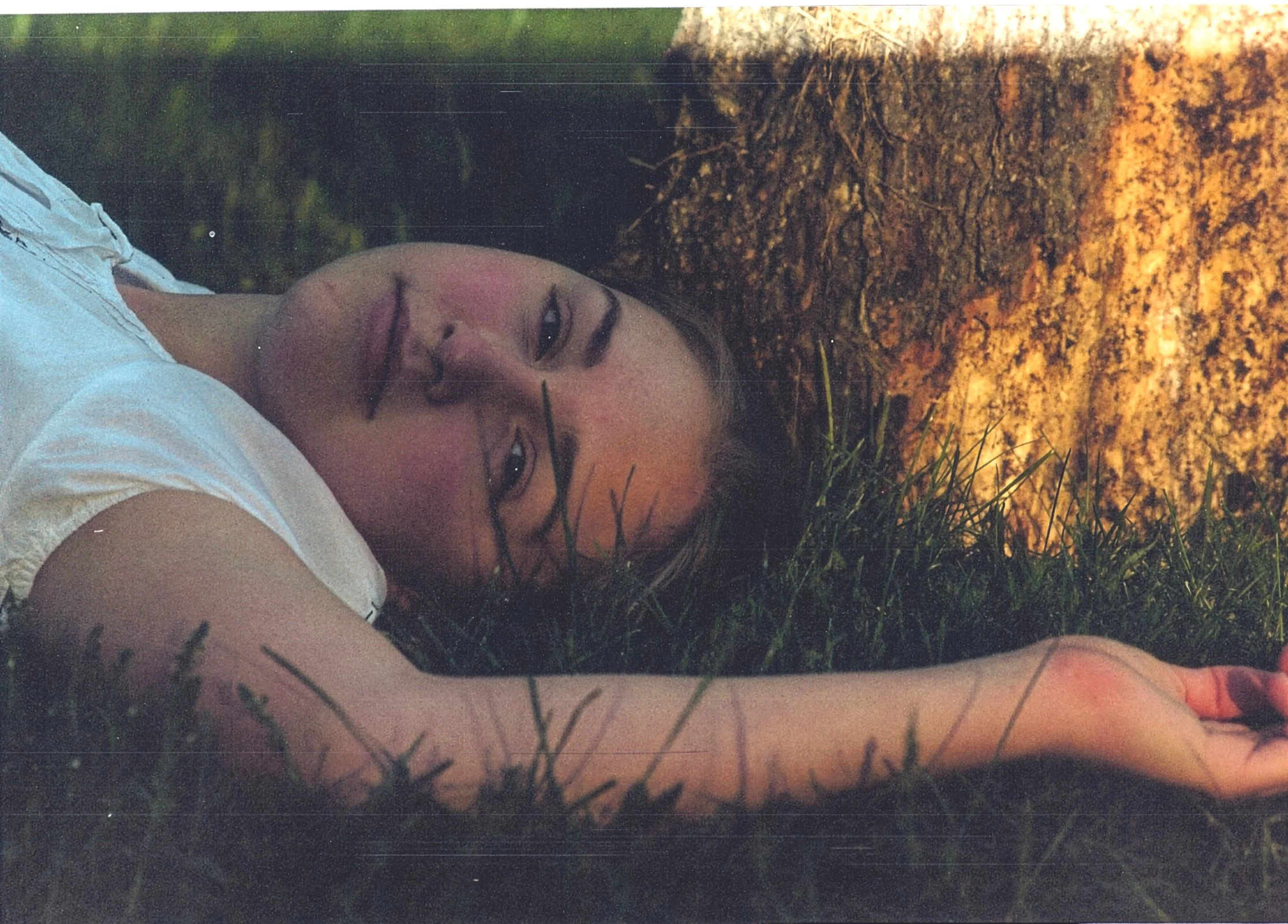
Cassandra Voss was fiercely curious, deeply hopeful, and impatient with injustice. She cared about feminism, art, big questions, and the kind of conversation that asks people to stay engaged even when they disagree. Friends and teachers remember her as exuberant and fully present—the person who bounded into a room with an idea, an argument, or a question and made it difficult not to lean in.
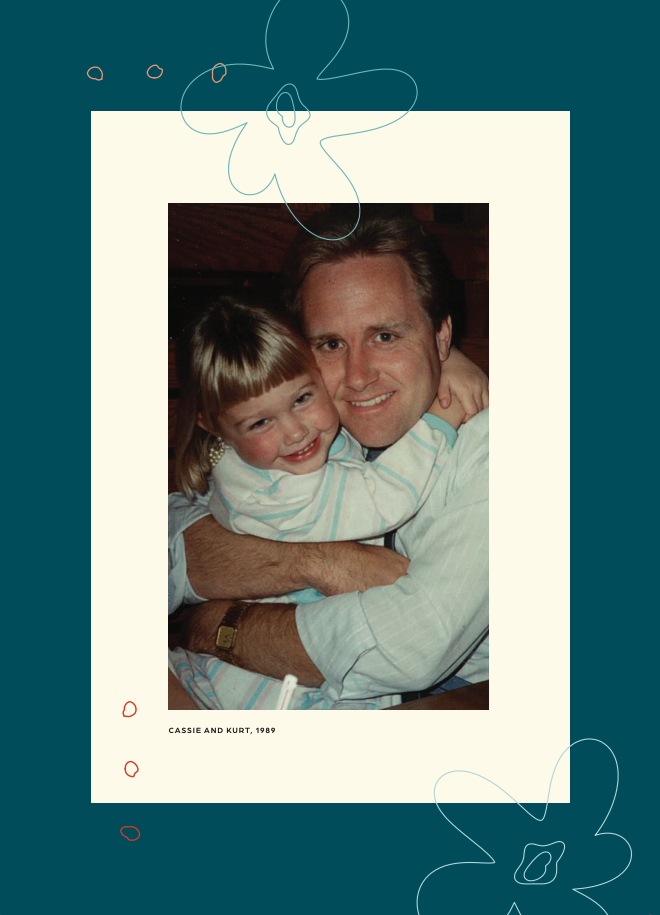
A feminist daughter. A conservative father.
A conversation neither would abandon.
They genuinely saw parts of the world differently. Cassandra was a feminist who resisted the status quo; Kurt was a deeply religious, conservative businessman. But she didn’t write him off. She brought him closer. In 2006, she invited him to hear a student panel on The Women’s Room. There he was—pressed shirt, front row—taking notes on second-wave feminism and asking questions some students found naïve enough to laugh at. Cassandra wanted him in the room anyway.
When something mattered, they sat down face to face. They challenged each other, listened hard, and tried to understand what the other was actually saying. Kurt says some of their best conversations grew out of disagreement. Cassandra opened him to ideas he might never have considered otherwise; he challenged her thinking, too.
The transformation wasn’t a conversion so much as a practice: she kept inviting him in, and he kept showing up. After Cassandra died, what she had changed in him kept widening—into his leadership, the Cassandra Voss Center, and eventually an unlikely friendship with bell hooks.
Cassandra didn’t try to change her father by rejecting him. She challenged him, invited him into rooms he would never have entered on his own, and stayed in relationship. Kurt listened—and allowed himself to be changed.
What happens when a father and daughter refuse to stop talking—and her death widens the conversation, rather than ending it?
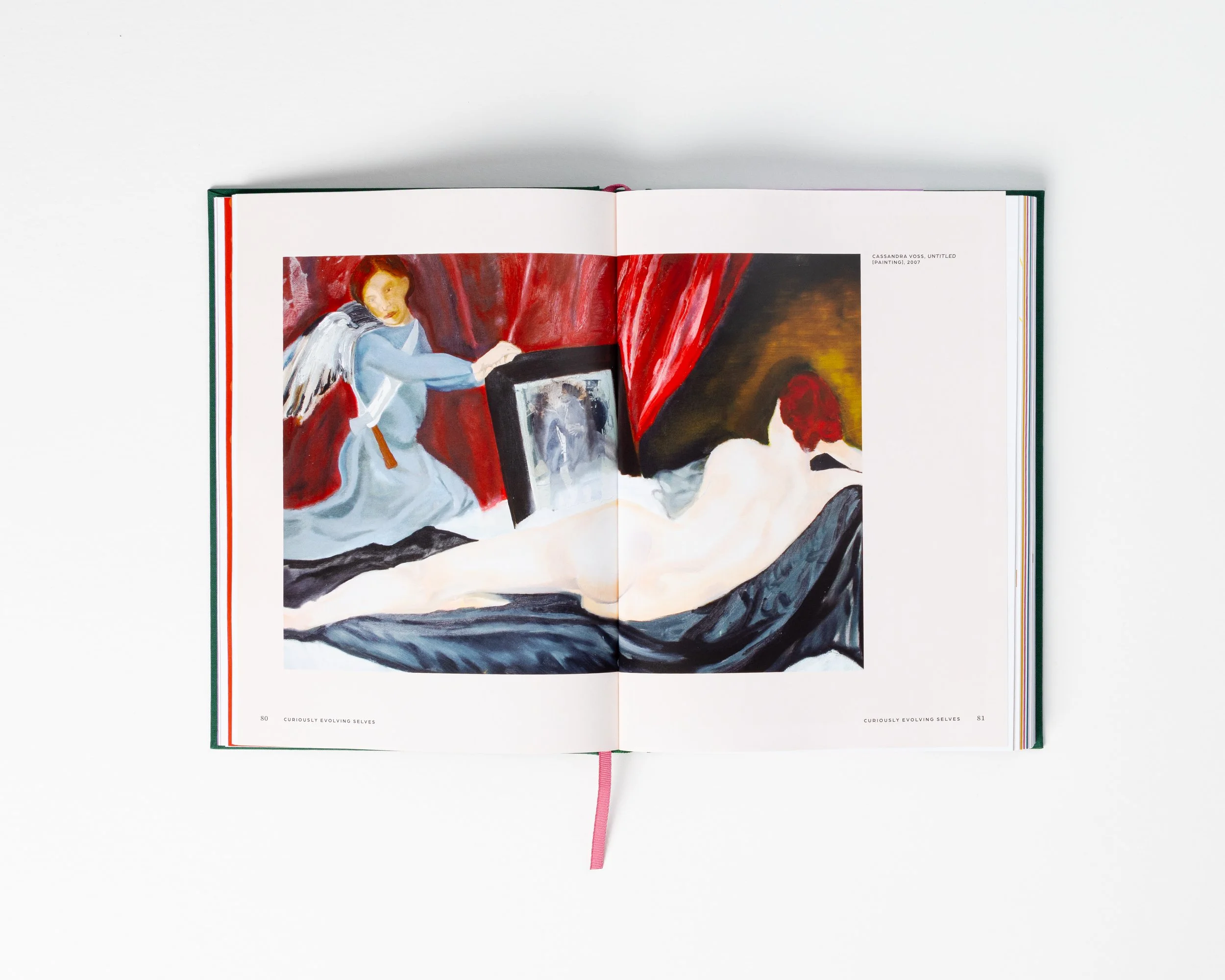
In Her Own Hand
The book features Cassandra’s paintings, poems, and handwriting. A selection appears here.
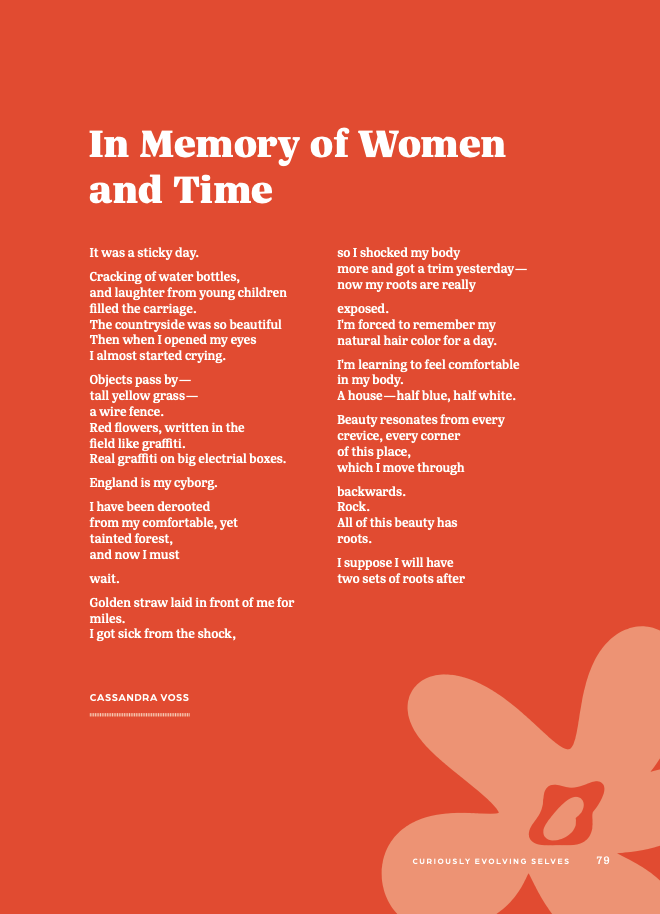
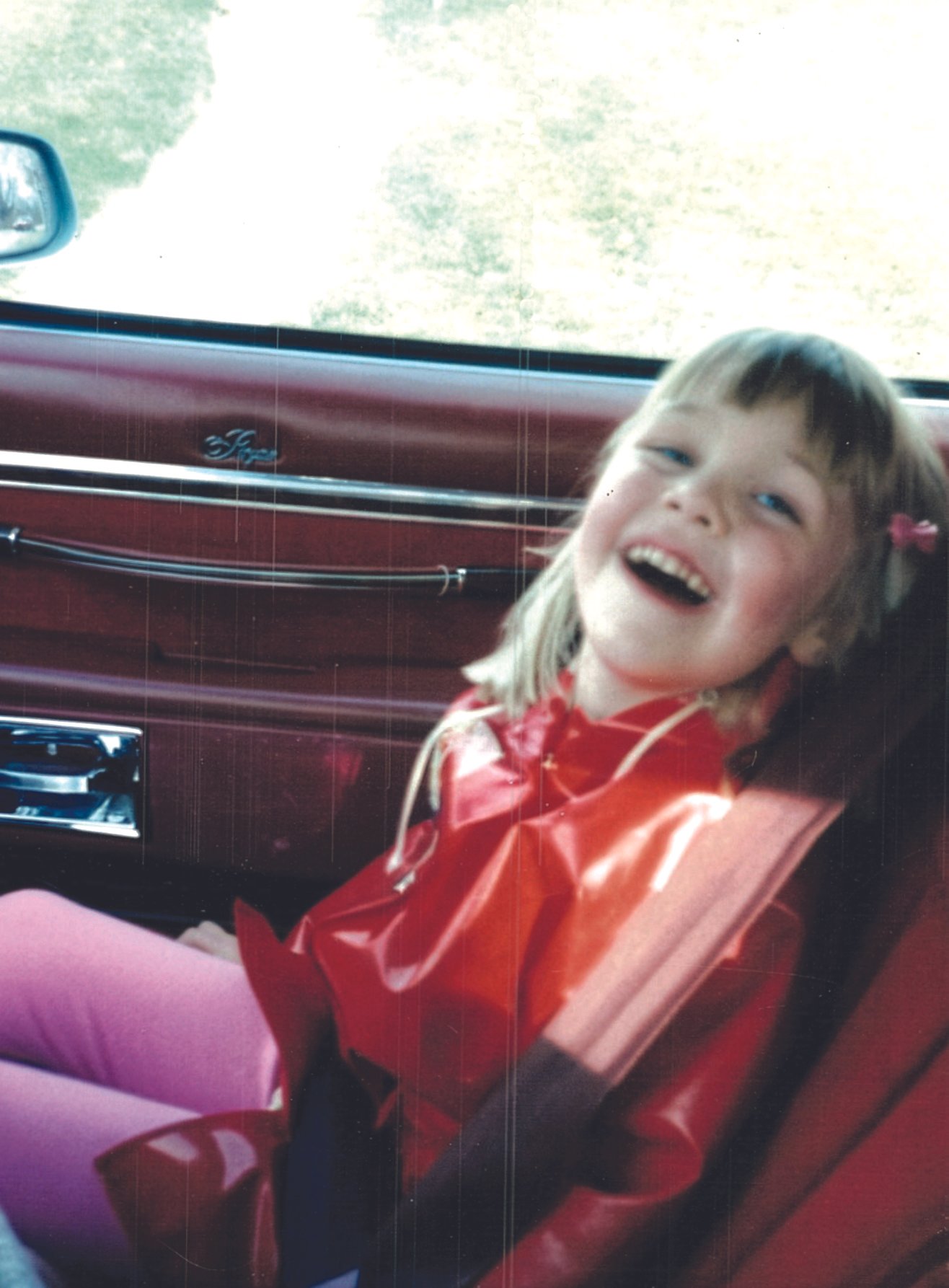
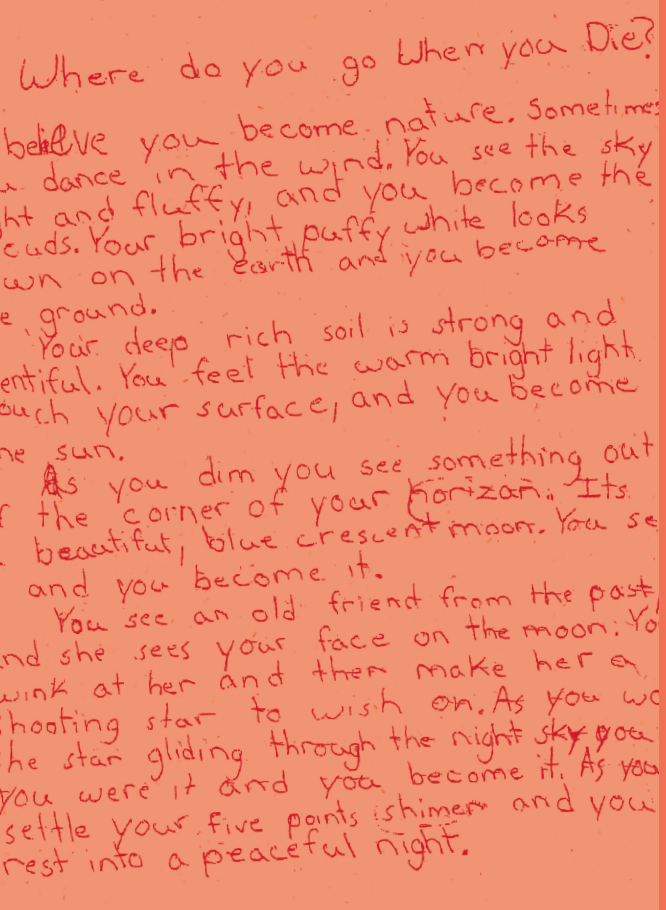
Cassandra’s questions kept traveling — into new rooms, new relationships, and new ways of carrying her work forward.
The conversation widened
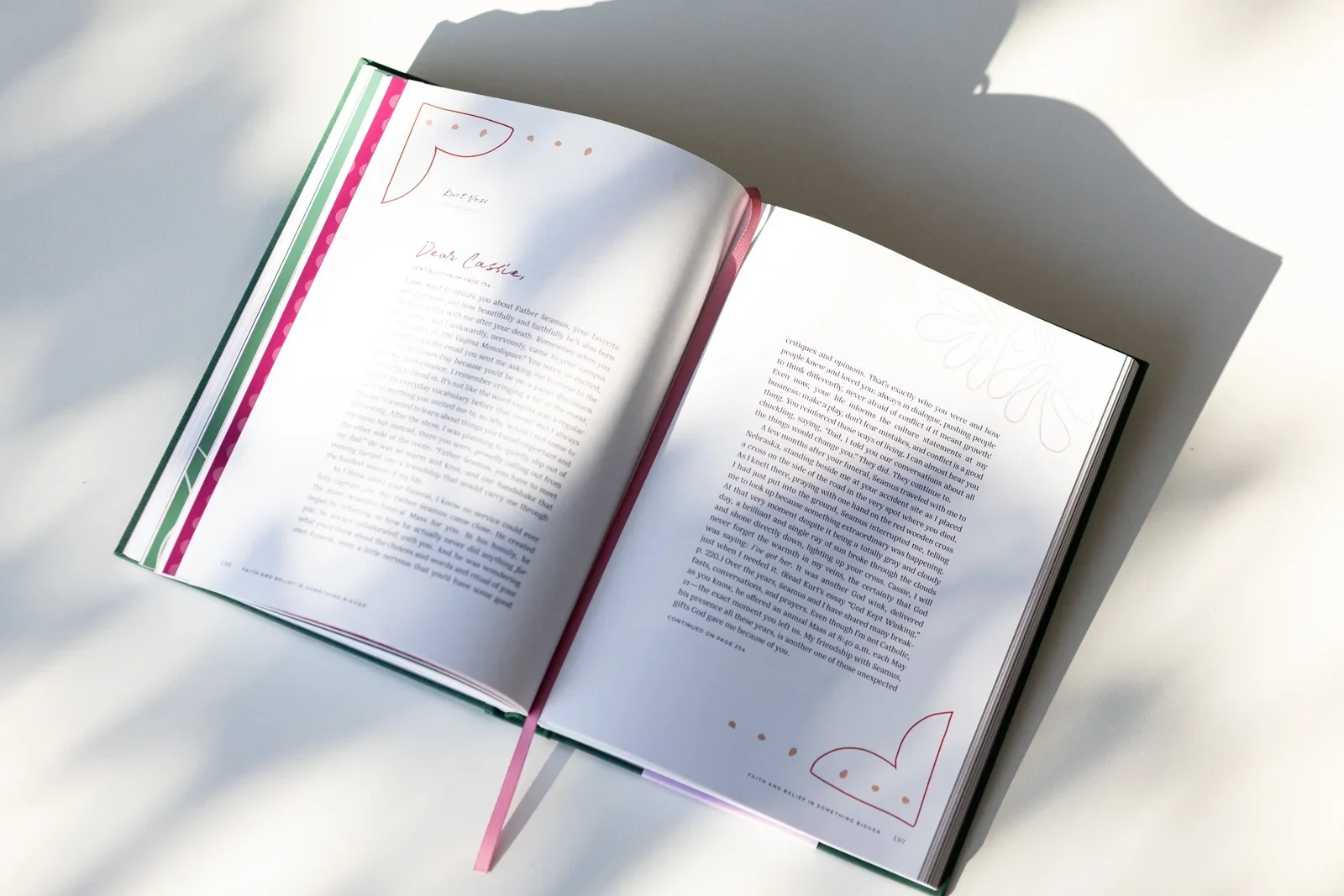
The conversation continued in writing
More than a decade after Cassandra’s death, Kurt writes his first letter to her. It appears, piece by piece, in the book.
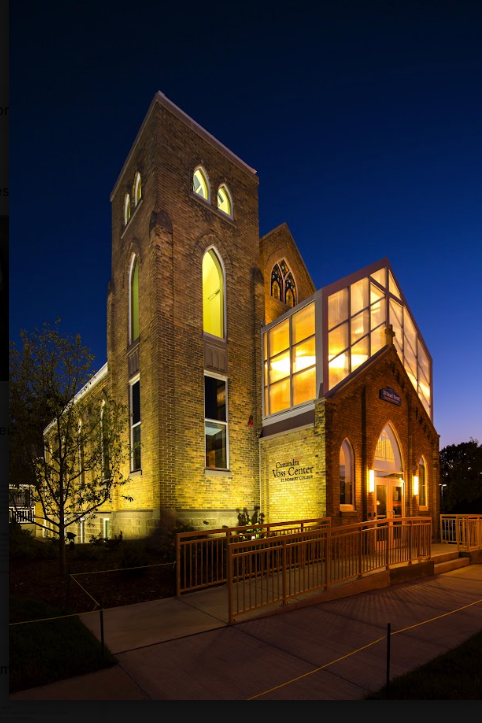
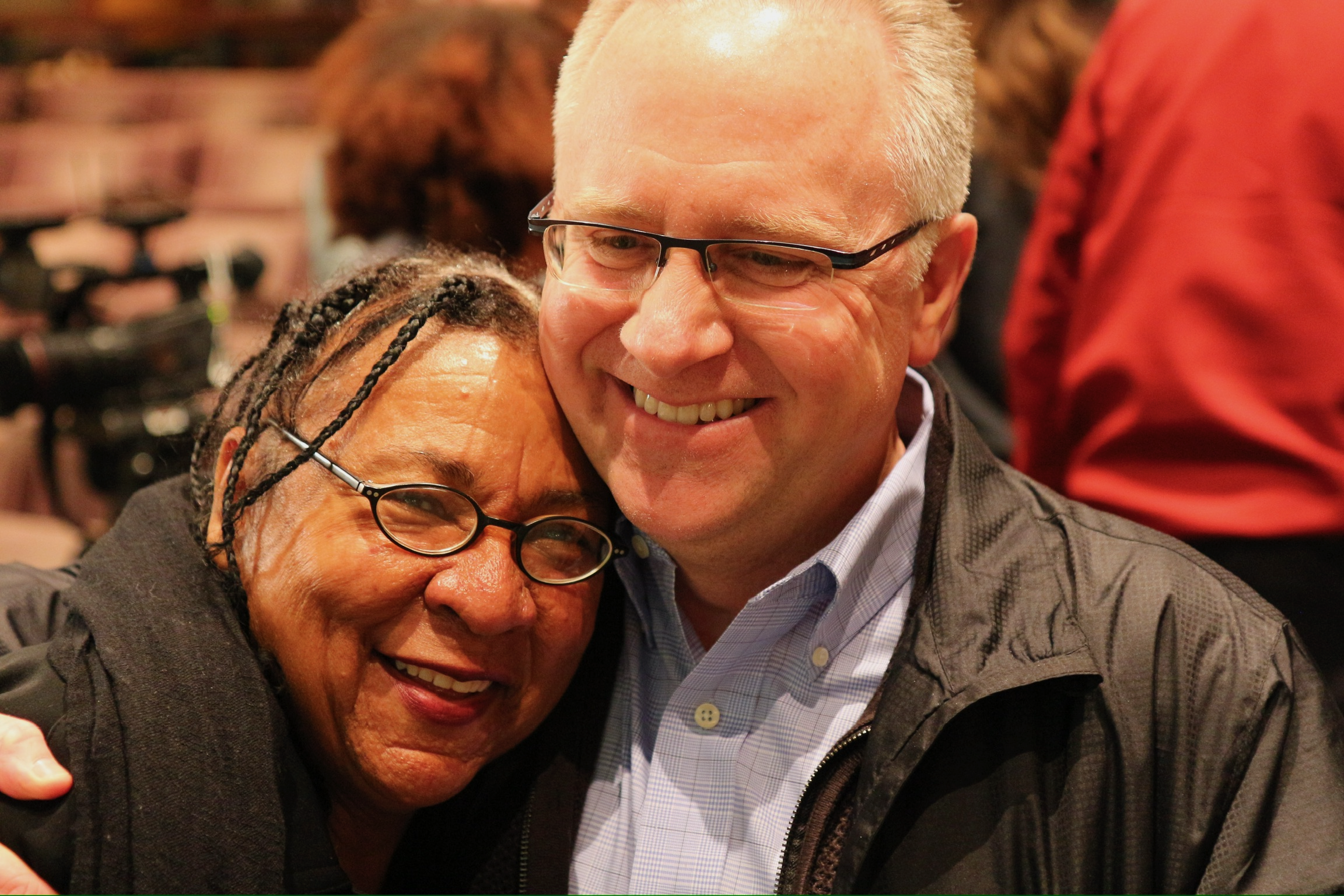
The Cassandra Voss Center
At St. Norbert College, the center that bears Cassandra’s name continues the conversations she cared about most: identity, gender, belonging, joy, and human connection.

An improbable friendship Cassandra made possible
Cassandra’s influence eventually led Kurt into an unexpected friendship with bell hooks, whose work had mattered deeply to Cassie.
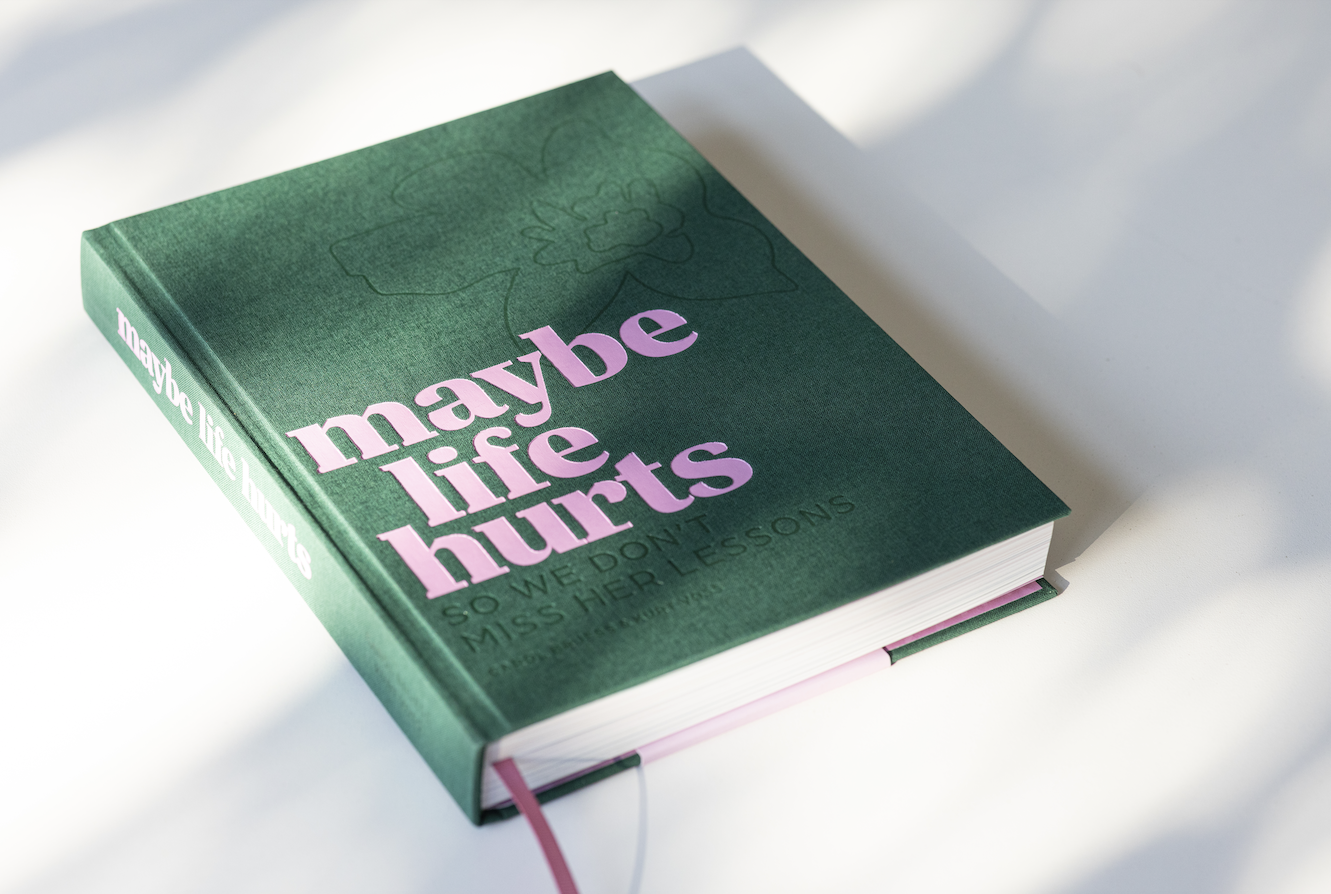
Now, the conversation continues in this book
A decade of imagining, a research team, artists, and more than forty contributors who are living into life’s questions.
Her questions are the book’s questions.
Six of them, and more than forty people who are living them honestly.